Shopping Cart

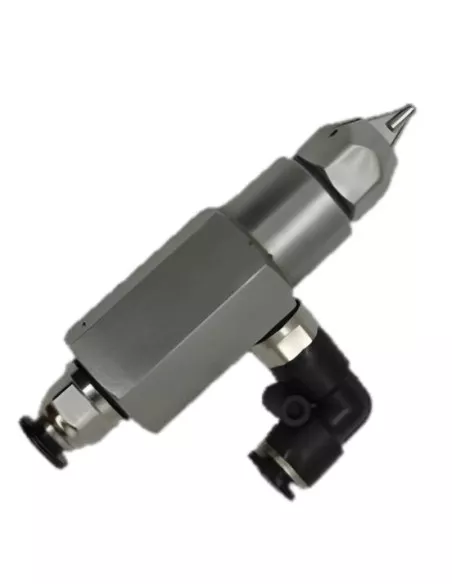
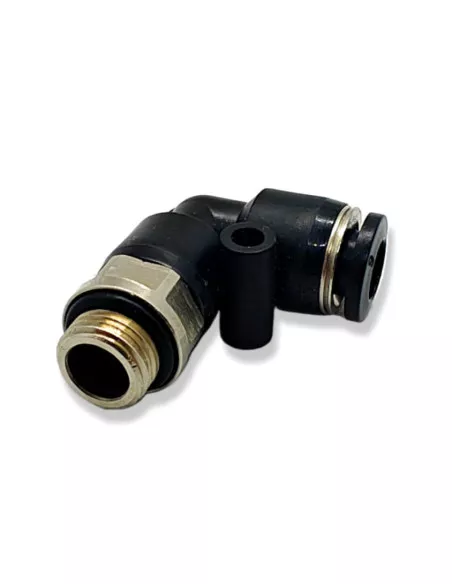
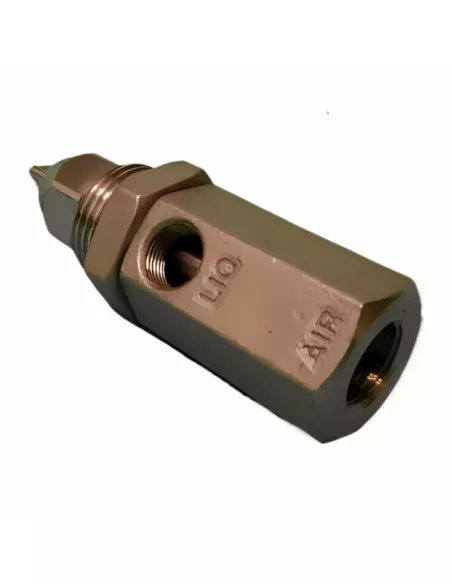
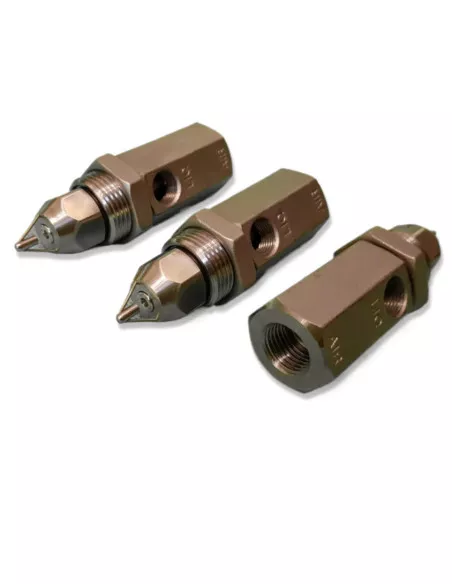
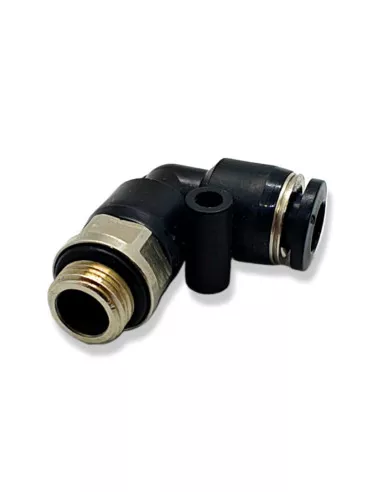
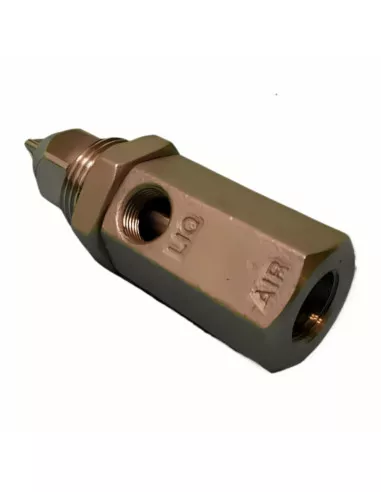
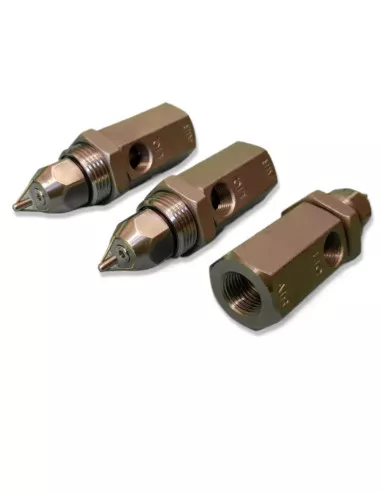


ULV Ultrasonic Nozzle Connector for 1/4 Inch Hose
- fogging nozzle - ULV Nozzle Connector for 1/4 Inch Hose
- material - plastic, nickel-plated brass
- medium - water
- fog type - drop size 3-6 microns
WHICH NOZZLE TO CHOOSE AND WHAT TO PAY ATTENTION TO WHEN PURCHASING Polish distributor - for 12 years we have been importing nozzles and guaranteeing their quality
 Delivery time - 98% within 24 hours
 Have questions? Call us! - 697 026 236
ULV Ultrasonic Nozzle Connector for 1/4 Inch Hose
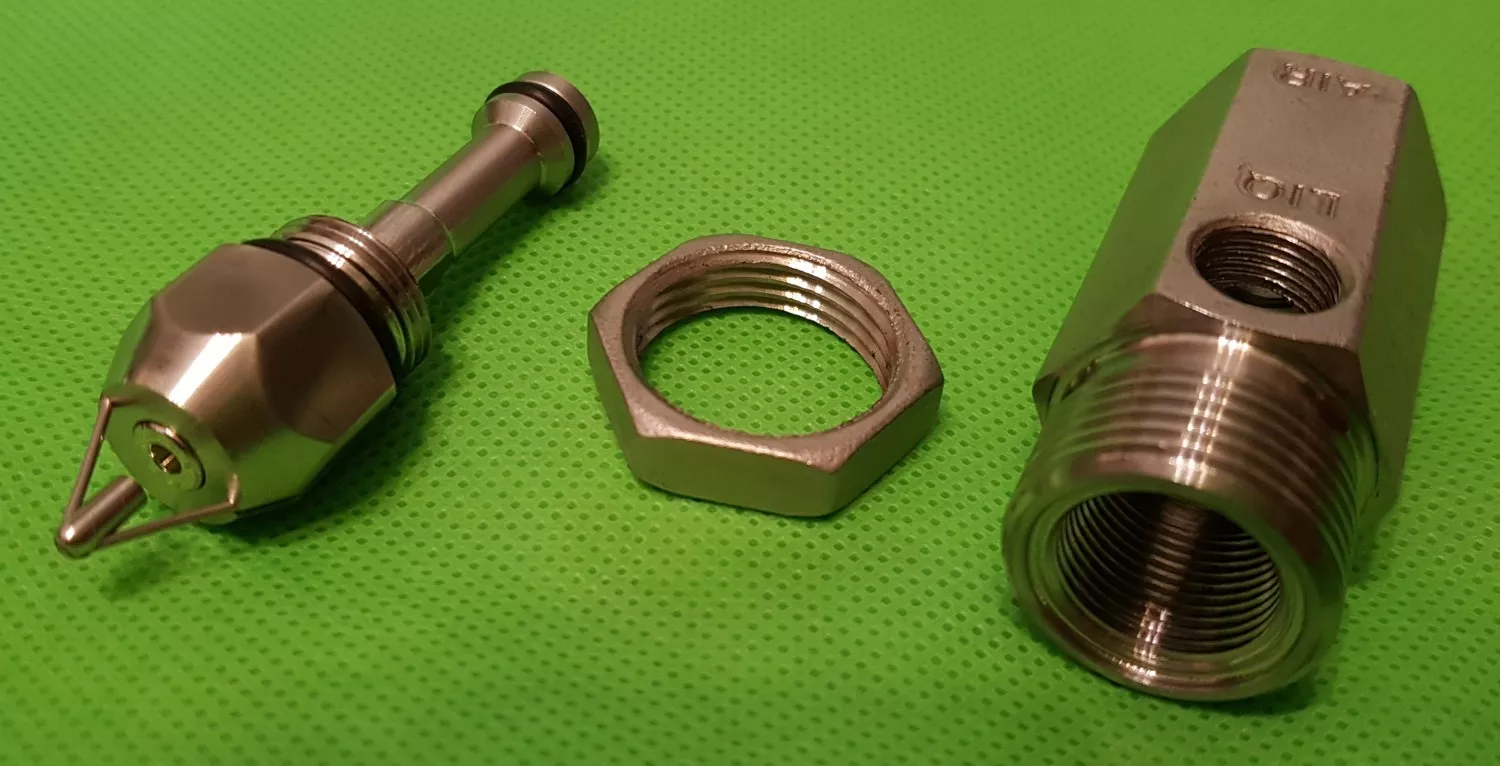
The 80* ultrasonic water fogging nozzle is designed for operation at low water and air pressure. It is made of high-quality SS 304 stainless steel. Perfect for humidifying, fogging, dispensing various chemicals, and water cooling.
The nozzle produces very small droplets of 3-6µm, allowing it to penetrate all spaces effectively, remaining airborne for a long time, ensuring excellent humidification, disinfection, and pest control, while also cleaning the atmosphere of dust and unpleasant odors without excessively wetting surfaces. The nozzle has two connections: water 1/4 inch and air 1/2 inch.
PRODUCT DESCRIPTION:
- Material: plastic, nickel-plated brass
- Air Pressure BAR: 5.2
- Fluid Pressure BAR: 1.2
- Air Consumption in l/min: 115
- Fluid Consumption in l/h: 7.1
- Droplet Size in µ: 3-6
- Air Filter in µ: <40
- Water Filters in µ: <50
FLOW TABLE:

APPLICATION:
- Disinfection of production rooms, especially in the food industry.
- Professional fog humidification and simultaneous air purification from pollutants such as dust, dirt, and smoke.
- Control of mosquitoes, flies and other persistent insects indoors.
- Elimination of unpleasant odors generated in production processes or at landfills.
- Agriculture - for disinfection, pest control, humidity control, lowering temperatures in rooms, administering inhaled medications, etc., in poultry farming, pigsties, barns, stables, zoos, greenhouses, tunnels, mushroom farms, humidifiers for snails,
- Industry - for disinfection, pest control, humidity control, lowering temperatures in rooms, reducing dust in warehouses, production halls, mills, mining, sawmills, carpentries, wood storage, spinning mills, etc.
- Gastronomy - for humidity control, removal of unpleasant odors, controlling mosquitoes and flies, disinfection and cooling of rooms, terraces, patios, catering tents, bars, pubs, nightclubs, etc.
- Home - for humidity control, removal of unpleasant odors, controlling mosquitoes and flies, disinfection and cooling of rooms, terraces, patios.
More about fogging
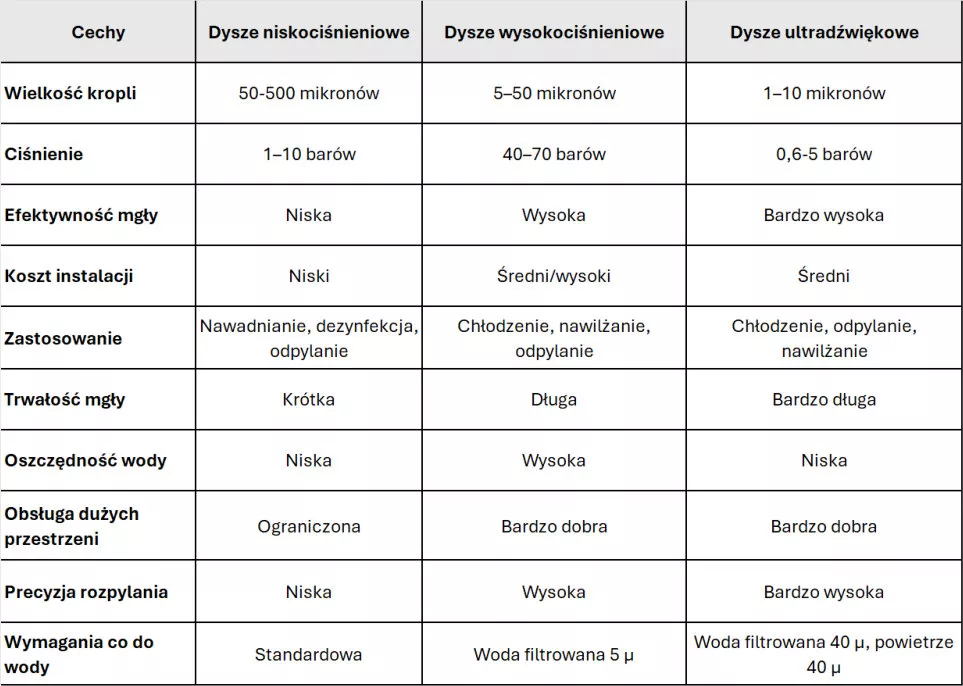
COMPARISON OF FOGGING NOZZLES:
WHAT TO PAY ATTENTION TO WHEN PURCHASING A NOZZLE?
ADDITIONAL INFORMATION:
From experience, we know that you have many questions about both nozzles and fogging systems.
We encourage you to contact us via email or phone.
The smiling gentleman below will surely help you
Andrzej
tel. 697026236
sklep@ajkwiatkowscy.pl

From experience, we know that you have many questions about both nozzles and fogging systems.
We encourage you to contact us via email or phone.
The smiling gentleman below will surely help you
Andrzej
tel. 697026236
sklep@ajkwiatkowscy.pl
No reviews
No carriers available for this product.
Report a safety concern
If you have a safety concern about this product, please contact us: sklep@ajkwiatkowscy.pl
If you have a safety concern about this product, please contact us: sklep@ajkwiatkowscy.pl
Tap to zoom
